

Carrick’s United Picked Off the Gunners with Precision
Michael Carrick’s Manchester United delivered a mature, disciplined performance at the Emirates, built on structure rather than chaos. This piece breaks down how United absorbed pressure, controlled space, and picked their moments to punish Arsenal with calm precision.
DA
1/26/20265 min read
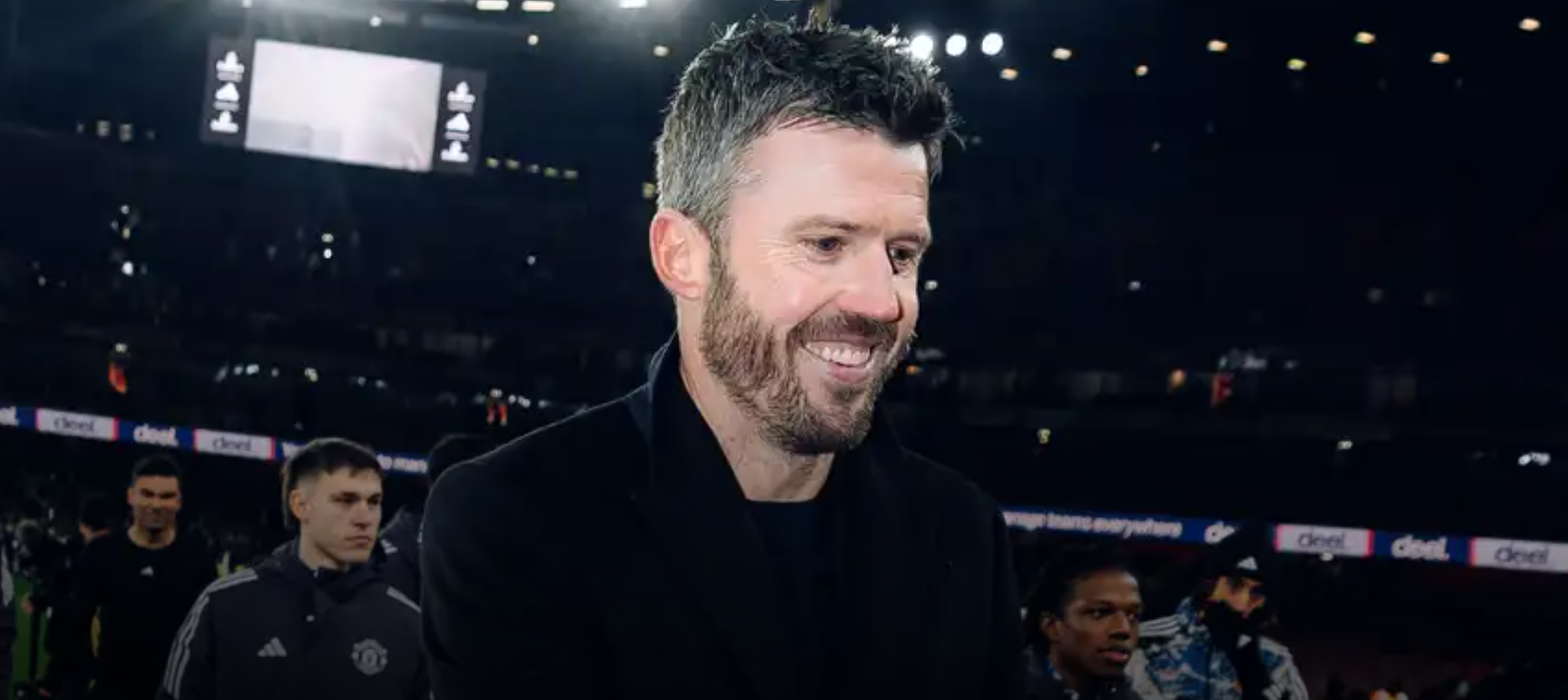
There was something quietly impressive about the way Michael Carrick set Manchester United up against Arsenal. This wasn’t chaos. This wasn’t hope football. This was structure, discipline, and belief - a United side drilled to withstand pressure and confident enough to strike when the moment came.
For the opening 25 minutes, United were very clear in what they wanted to do. They held their line - sometimes almost literally - against one of the most fluid attacking sides in the Premier League. On occasion, there were seven red shirts forming a near-perfect defensive line, compressing space and strangling the passing lanes Arsenal rely on to dismantle opponents.
This wasn’t about sitting deep and praying. It was containment. Arsenal were always going to dominate possession early. Carrick accepted that reality and prepared his players accordingly. Apart from one or two nervous moments from set pieces, United largely nullified Arsenal’s attacking threat. No clear chances. No free runners through the middle. No chaos.
The irony, of course, is that Arsenal’s opener came not from sustained attacking brilliance, but from an own goal - and even then, it felt slightly against the run of how well United had contained them.
What stood out was what United didn’t do. This wasn’t a side ready to spring forward at every turnover. They didn’t flood the counter with bodies. When possession was regained, it was calm, measured, and deliberate. This was a team playing with quiet confidence - a belief in their shape and in each other.
After the match, Harry Maguire spoke about how the Liverpool-Arsenal game had been studied closely in preparation. Carrick echoed the same point. The plan was clear: accept Arsenal’s early surge, ride it out, and grow into the game. United did exactly that.
As the first half progressed, something important changed. This was no longer just about survival. United began to step out - together. There was constant communication in defence, runners tracked diligently, passing lanes blocked with intent. But more than that, United started to look like a team that knew what they wanted to do with the ball.
Under Erik Ten Hag, and more recently Ruben Amorim, one recurring frustration was hesitation. Too much pondering. Too many touches. Too much uncertainty about runs and roles. That simply wasn’t there here.
United’s equaliser summed it up perfectly. Yes, Arsenal made a mistake - but that mistake was forced. United didn’t allow the forward pass. They applied pressure at the right moment. They’d weathered the storm and knew it. Even at 1–0 down, there was no panic. Just a collective belief that they could climb out of the trenches together.
That pressure is what gifted the ball to Bryan Mbeumo. What followed was pure quality from Mbeumo - but quality built on confidence. Confidence from the previous performance. Confidence from a manager who trusted him in the number nine role. And confidence from a team that knew exactly what it was trying to do.
Carrick didn’t just set United up in a shape. He set them up with an attitude and a belief in their own ability. Against the Gunners, United didn’t spray bullets wildly - they waited, aimed, and picked their moment.
And when they did, the execution was deadly.
At half-time, United would have walked down the tunnel with confidence. Arsenal, by contrast, would have been shaken - struggling to understand where this United performance had come from. The game plan they’d prepared for wasn’t working. The control they expected wasn’t there. And as the second half wore on, it was Arsenal who increasingly looked short of answers.
United, meanwhile, played with belief and conviction.
Nothing summed that up more than Patrick Dorgu. In just two games under Carrick, he has looked a transformed player. Yes, there are still awkward touches. Yes, he still looks unorthodox at times, a player learning his trade after being converted from left-back. But this was only his second game - and he has now scored in both.
That alone tells you everything about the belief Carrick has instilled. One couldn’t imagine Dorgu making those runs, taking those chances, or even attempting those shots under previous management - let alone executing them. Yet execute he did, with a precision that has been sorely missing from United’s forward line under Amorim. Confidence changes everything. It sharpens decision-making. It removes hesitation. And suddenly, players start trusting themselves.
When Mikel Arteta responded with four substitutions, it sent a very clear message - to the fans, to the players still on the pitch, and to United. This wasn’t part of their original plan. This was an admission that their game plan had failed.
Four changes at once is a rare tactical move. Much like Pep Guardiola the week before, this felt like a white flag on the initial approach. Arteta abandoned attempts to work the ball through the likes of Martin Odegaard, the Arsenal captained who was taken off. Instead opting for pace and directness to try and overwhelm United’s defence. Credit to him for trying something different.
But Arsenal’s second goal told its own story. It was scrappy. Just about crossed the line. It was not the result of sustained pressure or an attacking onslaught. Arsenal didn’t rack up shots. Their xG suggested their two goals were more than they truly deserved.
What was notable was United’s response. Bodies on the line. Players defending together, with purpose. Giving everything for the team, for each other, and for the fans. That collective sacrifice has been missing for far too long in recent seasons.
A lesser manager might have panicked at that point. Might have dropped deeper. Might have thrown on an extra defender.
Carrick had other ideas.
He withdrew Mbeumo and introduced Matheus Cunha, fresh off a lively cameo in the previous match. Later, Benjamin Sesko was introduced. The message to the squad was unmistakable: I trust you. I back you. We’re not here to cling on.
That belief fed directly into United’s third goal.
The move began with crisp interplay involving Bruno Fernandes and Mainoo. After releasing Cunha, Mainoo didn’t admire his pass. He kept running. Into the box. From a player whose role had largely been about resisting Arsenal’s pressure, that willingness to join the attack spoke volumes.
Sesko made a crucial run too, dragging defenders away and forcing Arsenal to focus elsewhere. Those runs created the space. Cunha took it. The finish was sublime - his first goal in United colours of the kind we saw regularly during his time at Wolves.
United’s third goal. Their third shot on target.
That was the difference. Accuracy. Clarity. Belief. Precision.
Carrick’s United exploited the spaces within Arsenal’s system with intelligence and confidence. They didn’t need volume. They needed conviction - and they had it.
Three goals. Three points. A statement performance.
Two weeks ago, this was a team looking down the table, unsure of itself, unsure of its direction. Now, they look up. Six points from two matches against two very good sides - one of them arguably the best team in Europe - is a remarkable return.
How Carrick has turned this around so quickly will remain a mystery to everyone outside Carrington. But the effects are unmistakable. Attention now turns to a very different challenge: a home fixture against a strong Fulham side. At Old Trafford, United will be expected to have more of the ball, to create more chances, and to impose themselves.
But one thing is already clear.
When 76,000 fans take their seats at Old Trafford next weekend, everyone knows the benchmark that has been set.
Carrick’s standards.
Carrick’s United.
Carrick’s Red Army.
Community
Connecting fans worldwide, celebrating heritage and values.
Contact
© 2025. All rights reserved.
Powered by IT CORE SERVICES LTD